Sensitivity: High sensitivity to vibration, with some PVDF-based sensors capable of detecting vibrations into the ultrasound range.
Design: Can be lightweight, flexible, and durable, making them suitable for a wide range of applications.
Durability: Some models are designed to be waterproof, dustproof, and resistant to environmental conditions like extreme temperatures, especially when packaged in protective materials like heat-shrinkable tubing.
Low power consumption: Often have low power requirements, with typical voltages below $24$V and current draw below $1$mA.
Adjustable sensitivity: Some security-focused sensors include adjustable sensitivity ranges to fine-tune detection.
Cost-effectiveness: Often a low-cost solution for sensing applications.
Interference resistance: Some types are designed to be insensitive to external sound interference.
Output: The output is typically an AC signal proportional to the vibration, though some sensors may require additional components to convert this into a usable signal.
Common applications:
Industrial and machine monitoring: Used to detect early signs of machine failure, like bearing wear, misalignment, or imbalance, enabling predictive maintenance.
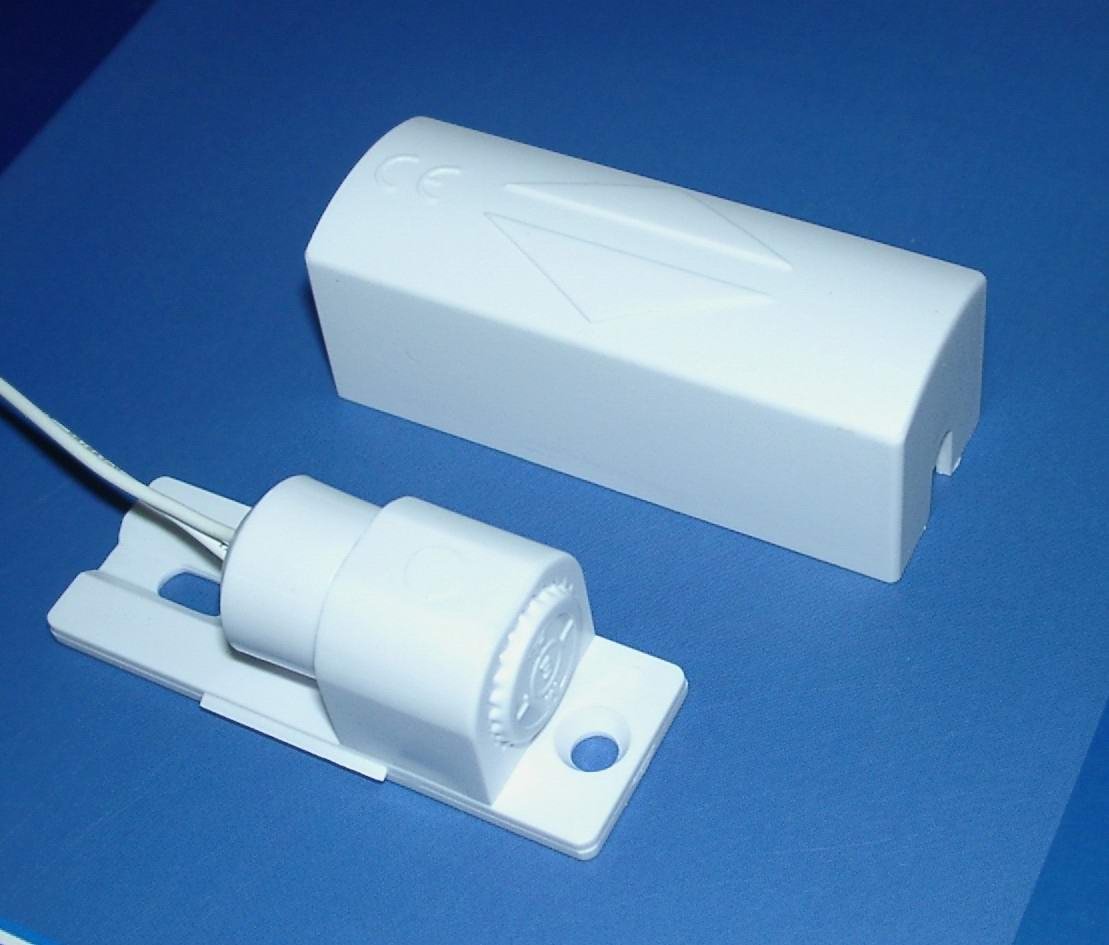
Security and alarms: Employed in systems to detect impacts, strikes, and movements to trigger an alarm, such as on safes or windows.
Structural health monitoring: Can be used to monitor the structural integrity of buildings and other infrastructure.
Equipment diagnostics: Help in diagnosing problems in various equipment by monitoring its vibrational behavior.

 Elphamatt